Blog
The OCaml Planet RSS
Articles and videos contributed by both experts, companies and passionate developers from the OCaml community. From in-depth technical articles, project highlights, community news, or insights into Open Source projects, the OCaml Planet RSS feed aggregator has something for everyone.
Source
Keyword
Year
Author
Want your Blog Posts or Videos to Show Here?
To contribute a blog post, or add your RSS feed, check out the Contributing Guide on GitHub.
tinybox: 150 classic games (Pong to Quake) and Apps, in OCaml, and moreIX, a full OS (kernel, toolchain, vcs, ...) in OCamlMichel Mauny, 1959-2026dream-html 4.0.0hegel-ocaml 0.25.0 - concurrent stateful property-based testingTutorial on GADTsOCaml Compiler Implemented in C++: It's Not Just Faster—It Also Increases TrustConf.funcp.org is a scam OCaml conferenceVaast 0.0.0 + Design discussiona2a SDK in OCaml

Development update for ocgtk (a set of GTK4 bindings for OCaml), including upcoming support for signals and interfaces, expanded GLib type coverage, and packaging improvements to support other operating systems.

Even though I was focussed only on generating GTK bindings for OCaml, I still had to consider all the other libraries it depends on.
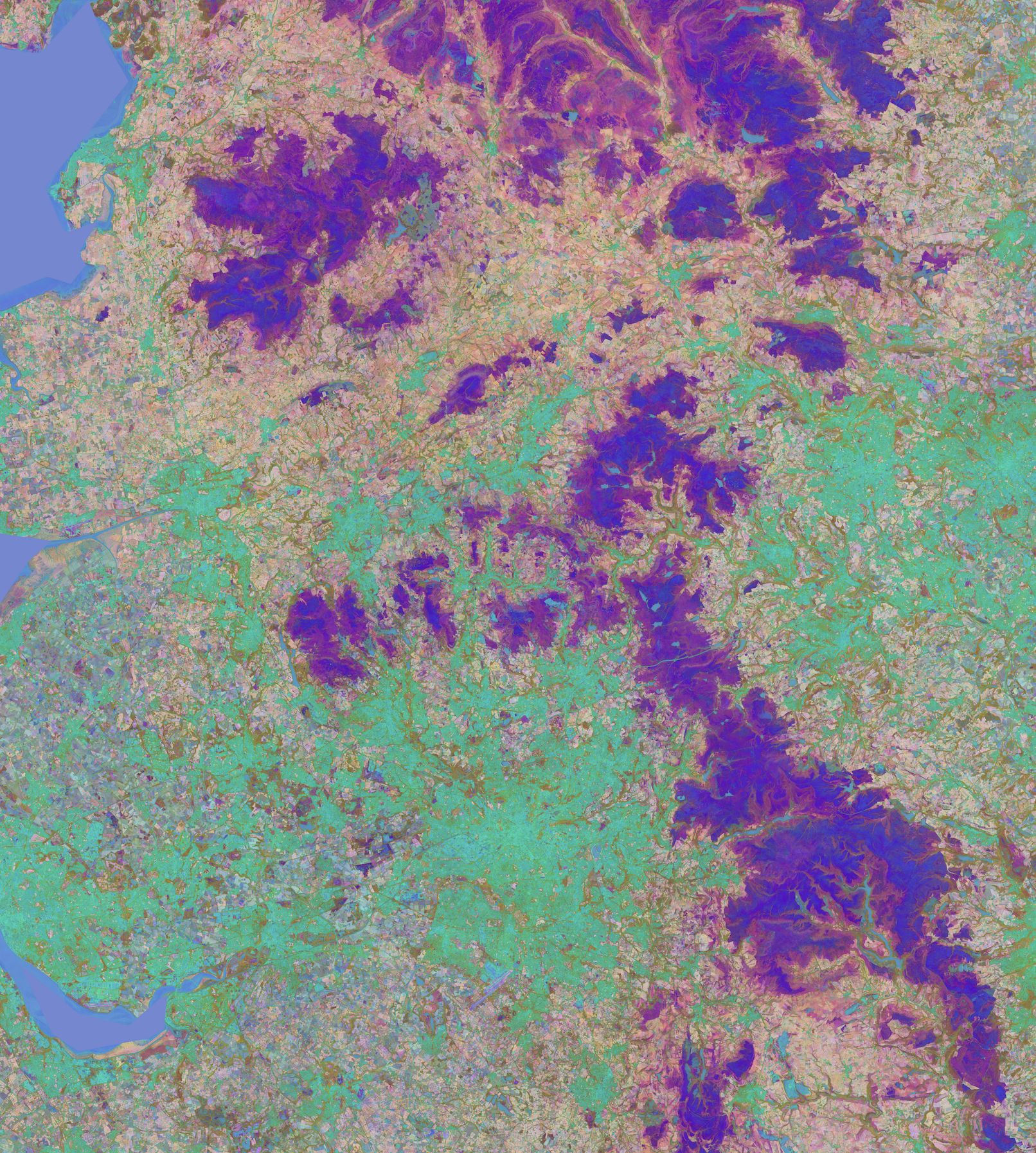
The Tessera pipeline is written in Python. What would it take to have an OCaml version?
The spring-cleaning continues! When I originally prototyped Relocatable OCaml, it was during the OCaml 4.13 development cycle. The focus for the work originally was always about multiple versions of the compiler co-existing without interfering with each other, so even the early prototypes were done on both OCaml 4.12 and OCaml 4.13. In fact, I see that in this talk, I even demo’d it on both versions. My intention from the start had always been to be able to provide either backports or re-releases of older compilers, on the basis that it would be tedious to have only the latest releases of OCaml supporting the various fixes, given that the failing CI systems which had motivated the project would continue to test older versions for several/many years after completion. In 2021, OCaml 4.08 (from June 2019) was still a recent memory. From a technical perspective, OCaml 4.08 was a very important release. It’s the first version of OCaml with a reliably namespaced Standard Library (the Stdlib module, though introduced in 4.07, had various issues with shadowing modules which weren’t completely addressed until 4.08). For my work, it was the version where we switched the configuration system to autoconf, and thus introduced a configuration system for the Windows ports. It provided a natural baseline in 2022 for the backports, and thus the workshop demonstration I gave in Ljubljana featured Windows and Linux for OCaml 4.08-4.14 as well as preview of OCaml 5.0.