Blog
The OCaml Planet RSS
Articles and videos contributed by both experts, companies and passionate developers from the OCaml community. From in-depth technical articles, project highlights, community news, or insights into Open Source projects, the OCaml Planet RSS feed aggregator has something for everyone.
Source
Keyword
Year
Author
Want your Blog Posts or Videos to Show Here?
To contribute a blog post, or add your RSS feed, check out the Contributing Guide on GitHub.
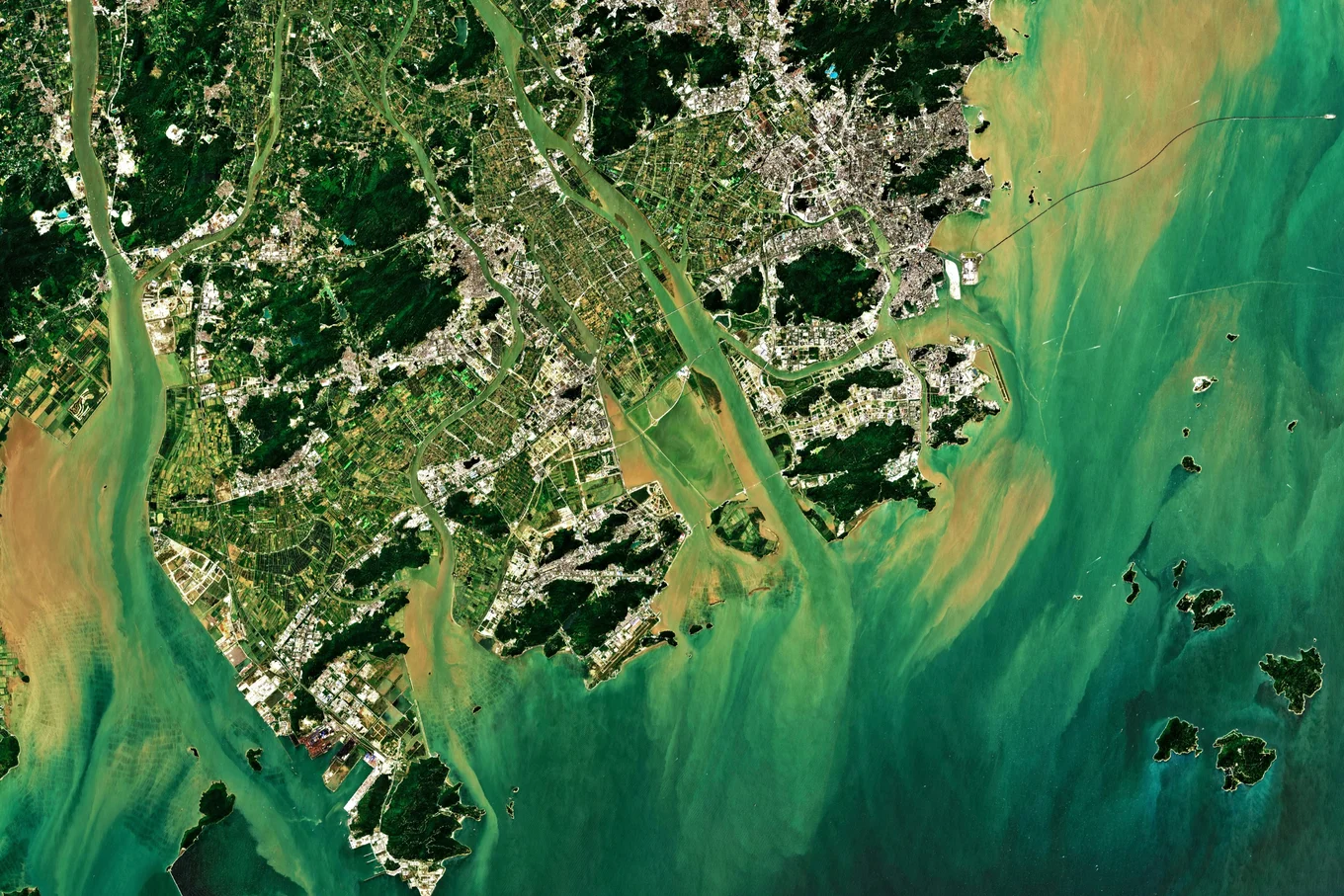
We've all seen satellites drifting by at night, and wondered how many are actually up there. With how long they have been observing Earth, it is unsurprising that satellites have accumulated a vast library of images covering the globe. In a world increasingly focused on identifying and mitigating human impact on the natural world, these images constitute an untapped data resource. Sadly, most conservation groups, field biologists, and local policymakers don't have a supercomputer on stand-by to help them trawl through that data and analyse trends. This is where the AI model Tessera, co-funded by Tarides and developed by a team headed by the University of Cambridge, comes in. What is Tessera? Tessera is an open-source AI foundation model which can parse through petabytes of satellite data to reveal patterns and changes over time. Tessera lets scientists designate habitat maps and highlight the changes they want to monitor over time. It can be used to reveal environmental changes, such as crop patterns, habitat loss, and deforestation. The software processes millions of satellite images from the European Space Agency into a compact, easily usable format for scientists. The result is that, instead of needing a supercomputer, researchers have access to global-scale analyses from their laptops. Tessera's algorithm learns to understand the 'fingerprint' of a landscape, knowing what it should look like, which allows it to fill in cloud-covered images with the missing values. For each 10-by-10-metre of land on Earth, the software creates an uninterpreted sequence of 128 numbers called 'embeddings'. All of these embeddings are available on demand in the database GeoTessera. A recent example comes from the Scottish Highlands, where a Cambridge-led team used aerial surveys to build detailed 3D maps showing the beginnings of large-scale native woodland recovery across the Cairngorms National Park. Tarides supported that work, and the data feeds into Tessera. You can read the University of Cambridge write-up. To learn more about the project, you can read the article published by the University of Cambridge, the open access paper, and watch the webinar on Tessera. Tessera & Tarides: A Natural Fit with our Work in Space We are proud to have sponsored Tessera's development, since it is open source and has no paywalls by design. As Tessera's co-lead, Anil Madhavapeddy, professor of planetary computing at Cambridge, puts it: the goal is to "democratise satellite data for people who lack massive computer resources, whether that's an underfunded conservation group here in the UK, field biodiversity researchers in the majority world, or planners figuring out climate adaptation strategies in a rapidly warming world." Tarides is dedicated to building secure and sustainable software with a positive impact, and supporting the Tessera project is a natural fit. It also complements our work on satellite software. Our sister company, Parsimoni, has been putting OCaml and MirageOS into orbit through SpaceOS, and we've built Notafs, a filesystem that lets Irmin run on MirageOS unikernels aboard satellites. Earlier this year, we also kicked off our part in the CEOS project, building next-generation Earth observation satellites. Tessera is a piece of that same puzzle; it's one thing to get reliable, secure software into orbit and collect data, and another to make sense of what that data is telling us once it's back on the ground. Whether it's the satellite hardware and unikernels collecting the imagery, or a foundation model turning that imagery into insight for a conservation group with no cloud budget, the focus for us is the same: open tools should make space and Earth science more accessible, not less. What's Next & Stay in Touch Explore Tessera's embeddings yourself at geotessera.org, and share your thoughts with the team behind the model. Stay in touch with us on Bluesky, Mastodon, and LinkedIn or sign up to our mailing list to stay updated on our latest projects. We look forward to hearing from you!
An OpenUK openness interview, prototyping the Evidence TAP site with exe.dev, Windows eio support finds a user in Forester, and a new grant for optimising ranger patrols.
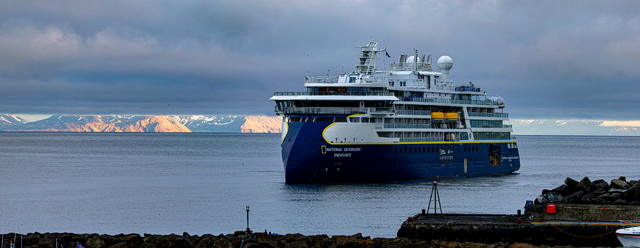
Back from the Arctic into a heatwave, hacking on Eio for the TESSERA sync engine, the Conservation Evidence team demoing at Parliament, and TESSERA on stage at the RAISE Summit in Paris.
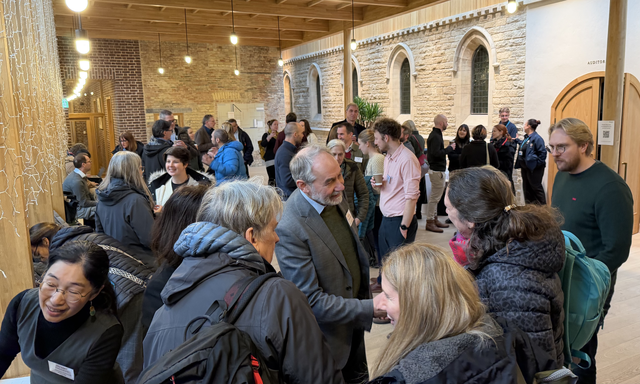
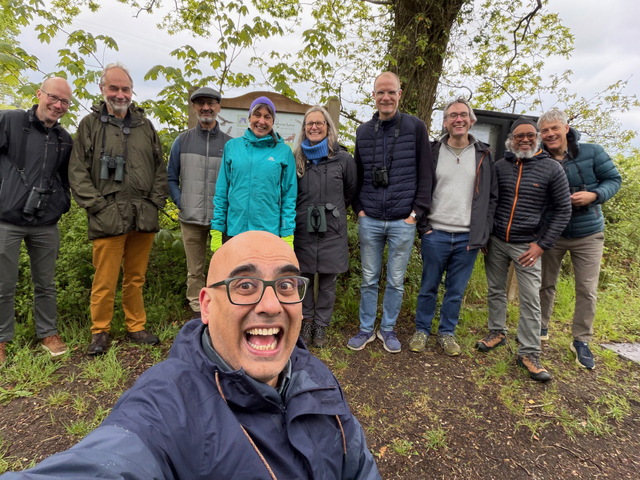
Celebrating David Attenborough's 100th birthday at a Conservation Research Institute retreat in Norwich, a Parliament POST briefing on Evidence for Nature Recovery lands, and a TESSERA talk at the Cambridge Ring alumni evening at Jane Street.
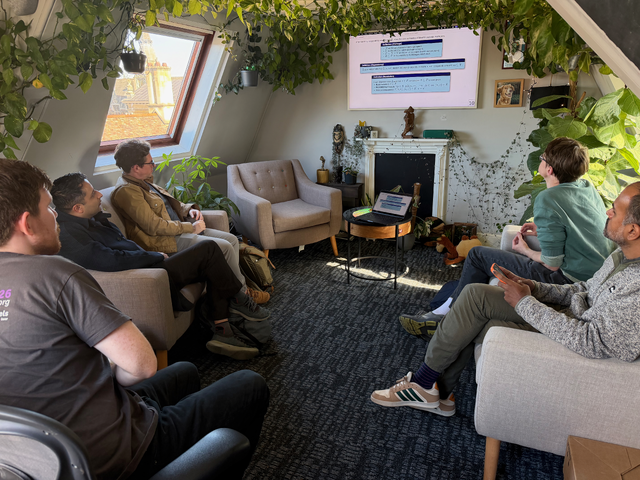
Our REDD+ over-crediting paper hits Nature Communications just as Microsoft retreats from removals, we talk responsible evidence synthesis while LLMs appear in UK planning, and oi grows a self-update bootstrap.
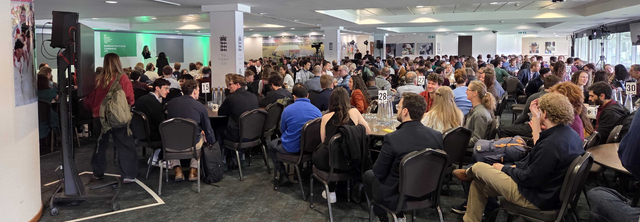
Evidence synthesis at the DEFRA science conference, TESSERA transcoding and building a new SPA, OpenStreetMap/DuckDB bindings in OxCaml, and early thoughts on vibecoding etiquette.
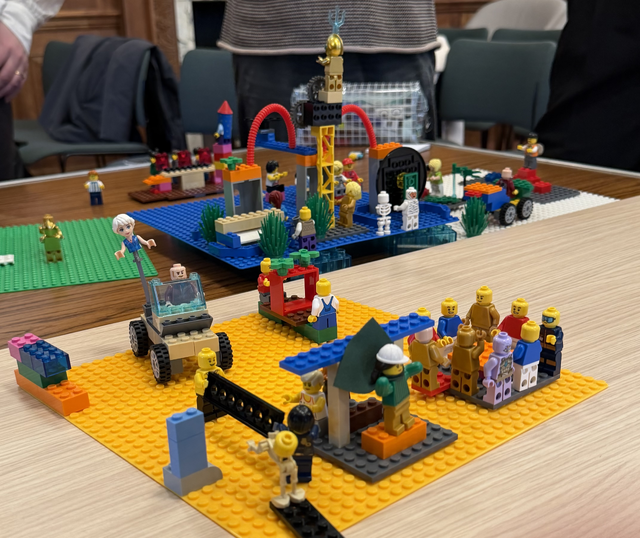
Growing the Ceph cluster for TESSERA embeddings, a Lego brainstorming session for the Evidence TAP, hosting Echo Labs from ARIA, and Shane's IUCN Red List seminar.
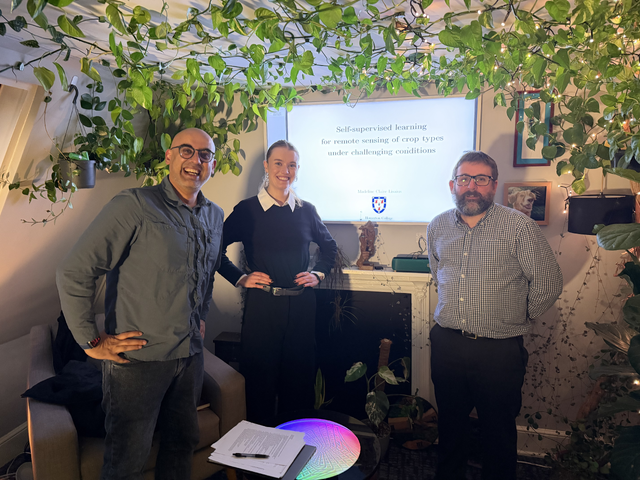
PhD viva for Maddy, presenting TESSERA at ARIA, Nature covers the conservation evidence conference, giving evidence to Parliamentary POST, and a CACM interview.
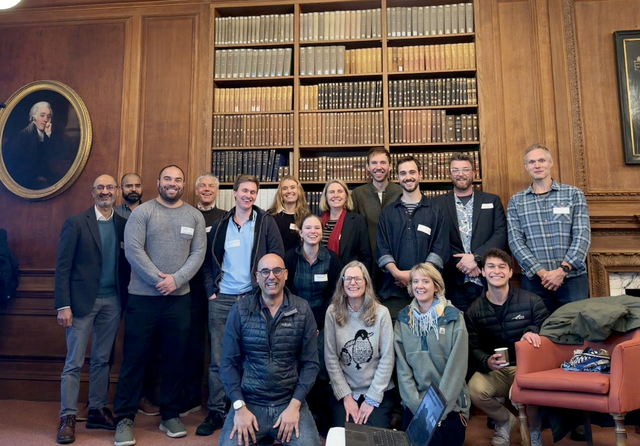
Hosting the Conservation Evidence conference at Pembroke, recovering from the India trip, and keeping up with LLM developments.