Blog
The OCaml Planet RSS
Articles and videos contributed by both experts, companies and passionate developers from the OCaml community. From in-depth technical articles, project highlights, community news, or insights into Open Source projects, the OCaml Planet RSS feed aggregator has something for everyone.
Want your Blog Posts or Videos to Show Here?
To contribute a blog post, or add your RSS feed, check out the Contributing Guide on GitHub.
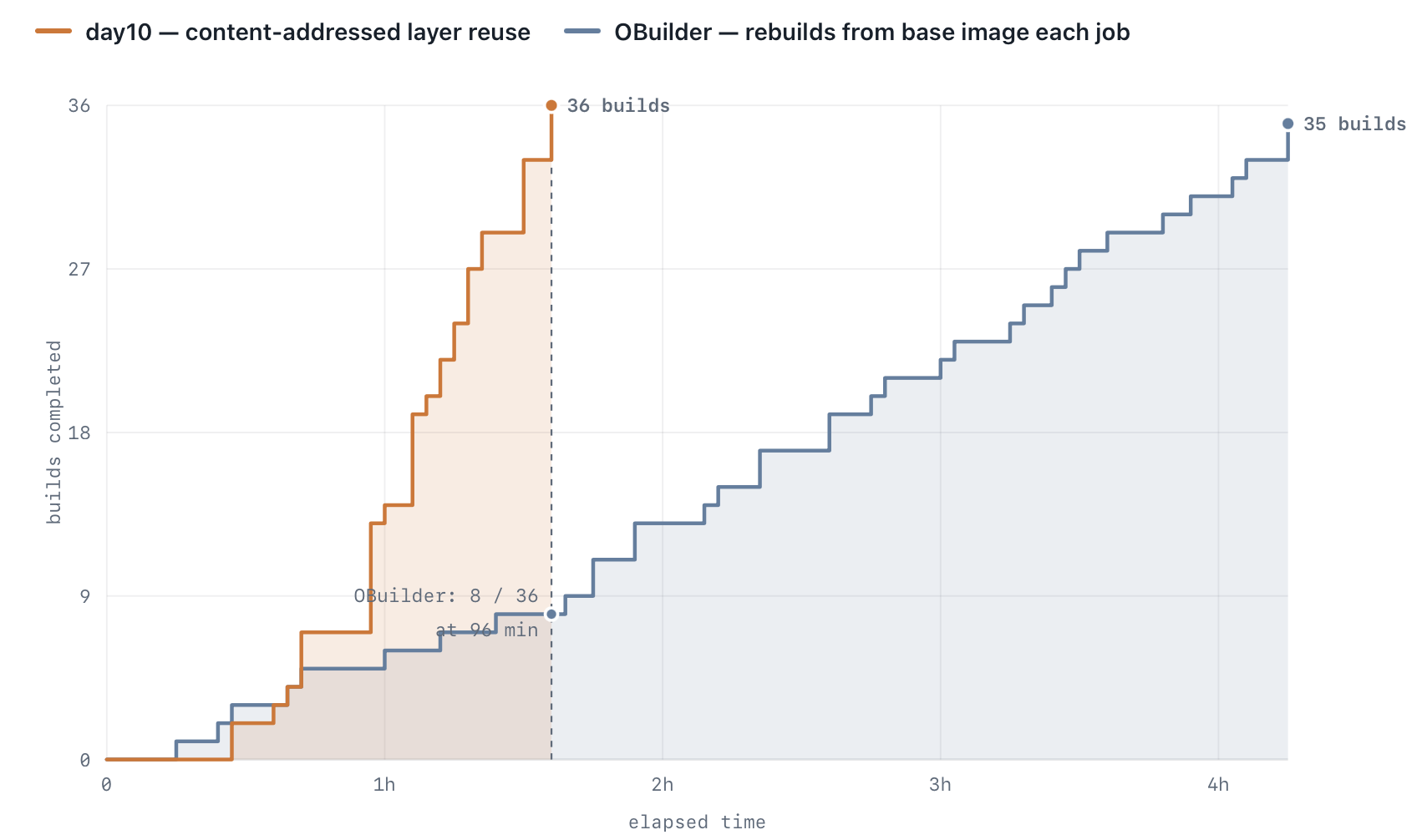
Finally, a benchmark that compares day10 with obuilder, making day10 die cleanly and porting opam-repo-ci. Plus Tessera MODIS results showing reduced temporal stability.
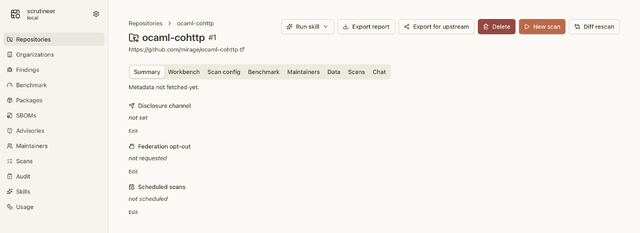
Deploying Alpha-Omega's Scrutineer on a VM, driving its scans with a local GLM 5.3 on my Mac Studio, and thinking through practical workflows
Using a SQL Database to serve the data for our CRUD API
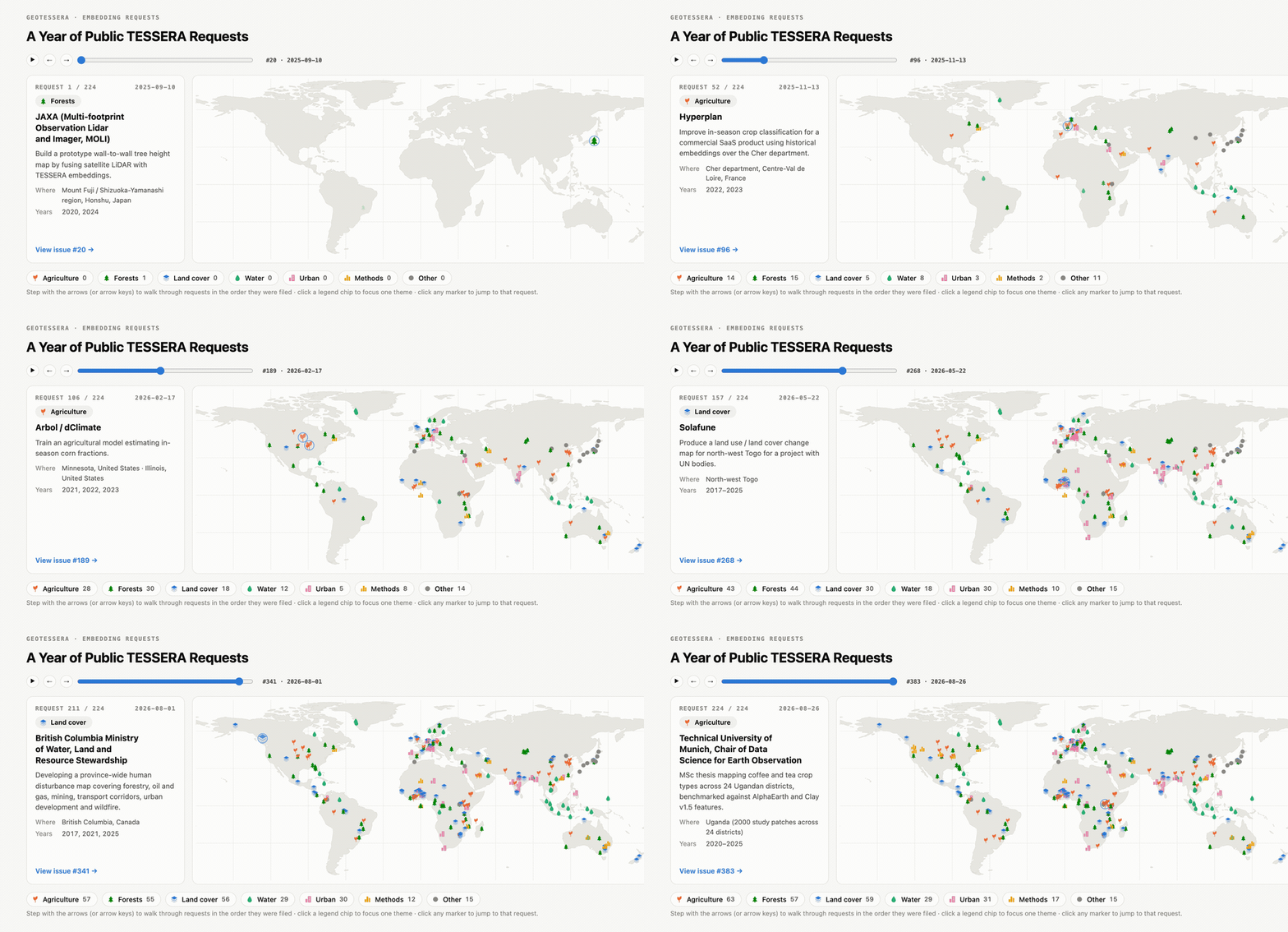
Tessera v1.1 now also synced to Source Cooperative but we're short on GPUs for v2, Scrutineer security scans driven by a local GLM, PROPL 2026 videos are live, and TDM reservations in OCaml for Evidence TAP.

Testing day10 on the RISC-V path in OCaml-CI, diagnosing failed Windows containerd commits, and measuring the Tessera / Microsoft Planetary Computer download bottleneck.
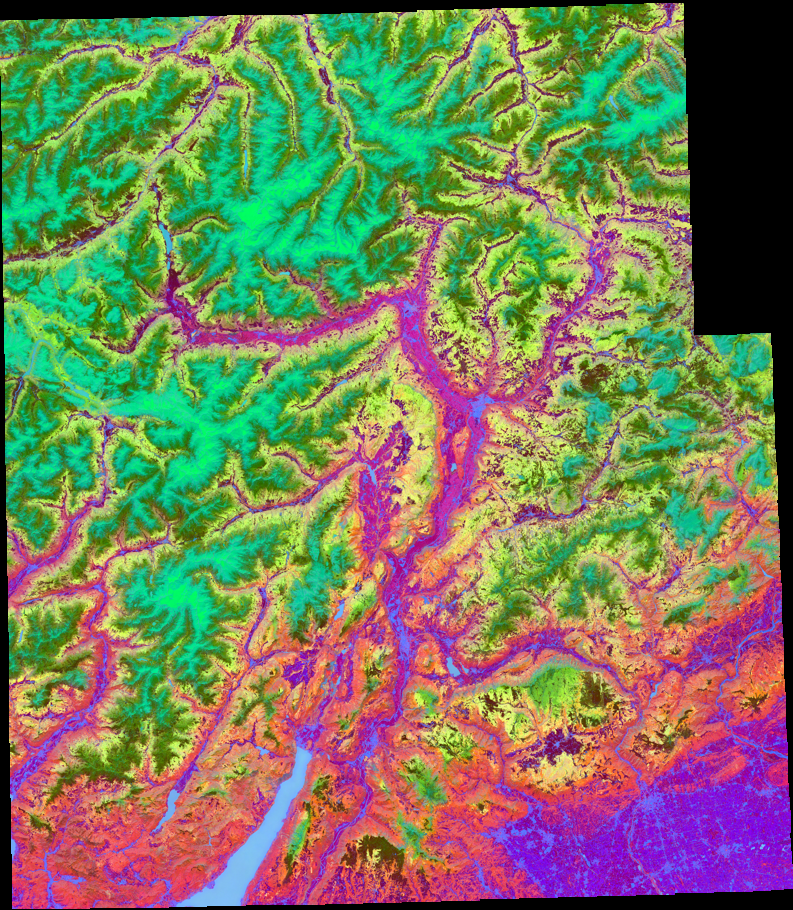
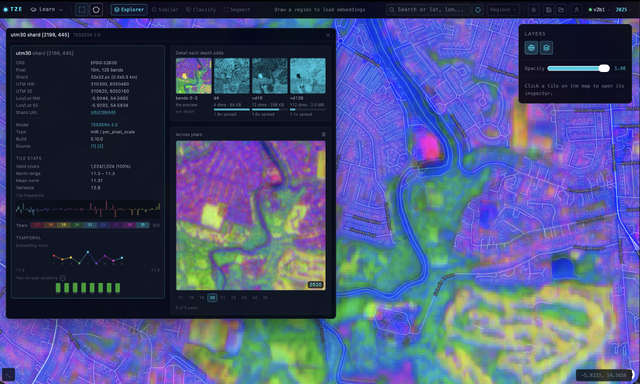
TESSERA v2 beta embeddings are in the TZE explorer, security embargoes being outrun by agents, opam packages now need humans behind them, prometheus and eio releases
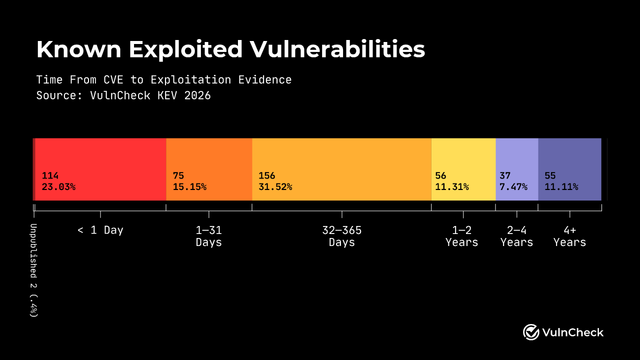
Thinking through how the conventional OSS security embargoes no longer buy us time, and what open source maintainers might do instead to respond
This week, six million Tessera S3 objects were renamed. ocaml-gdal was extended to handle vector formats. FreeBSD CI performance investigations and OCaml compiler updates. Further work on day10 and OCaml CI.